Real pets. Real fur.
A real diamond at the end of it.
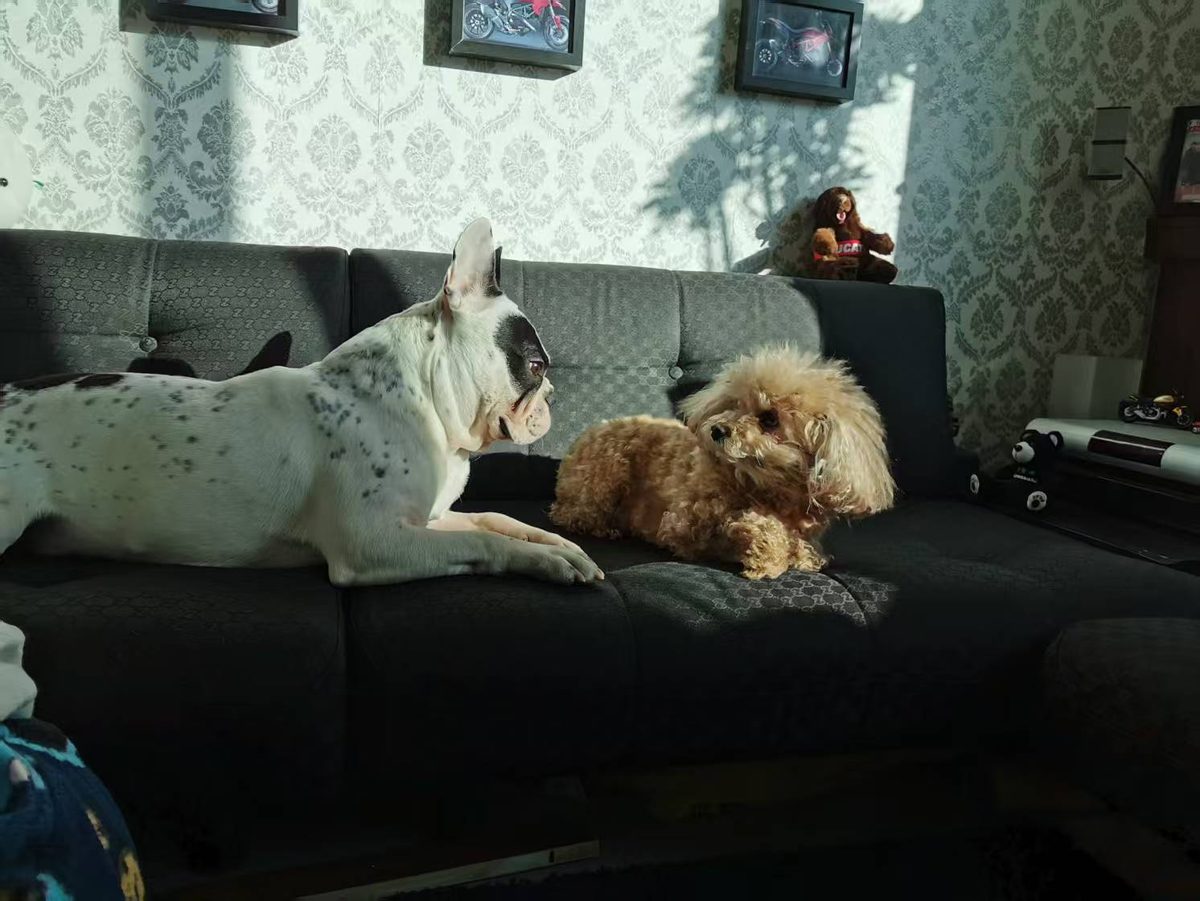
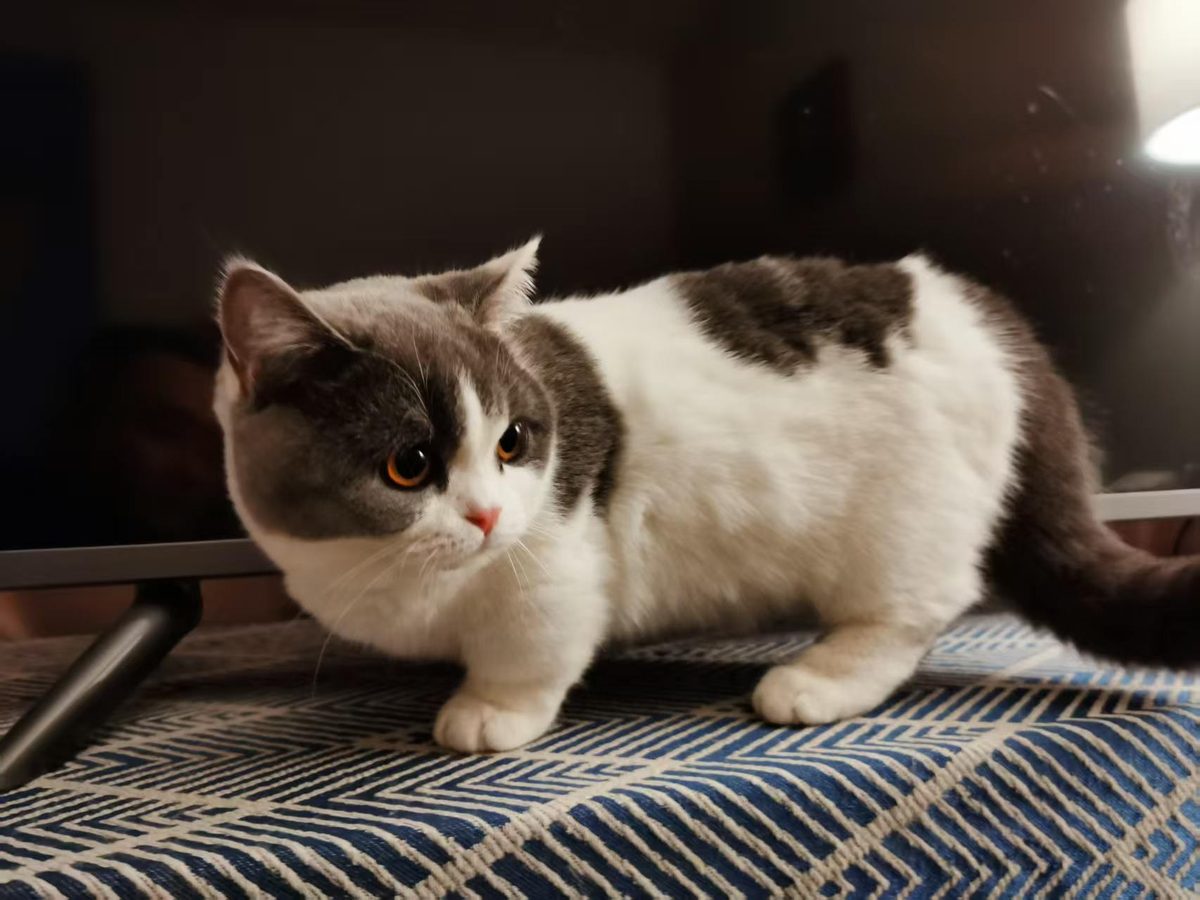
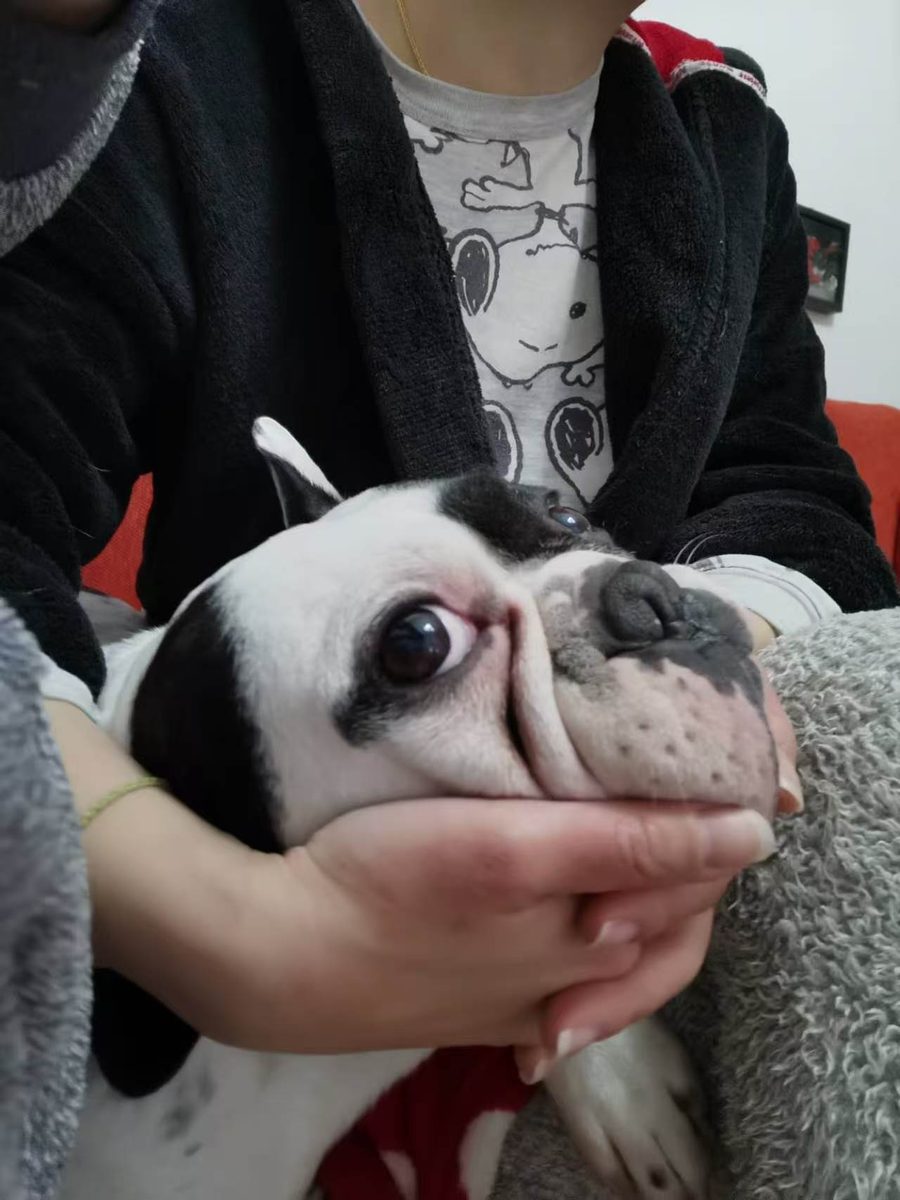
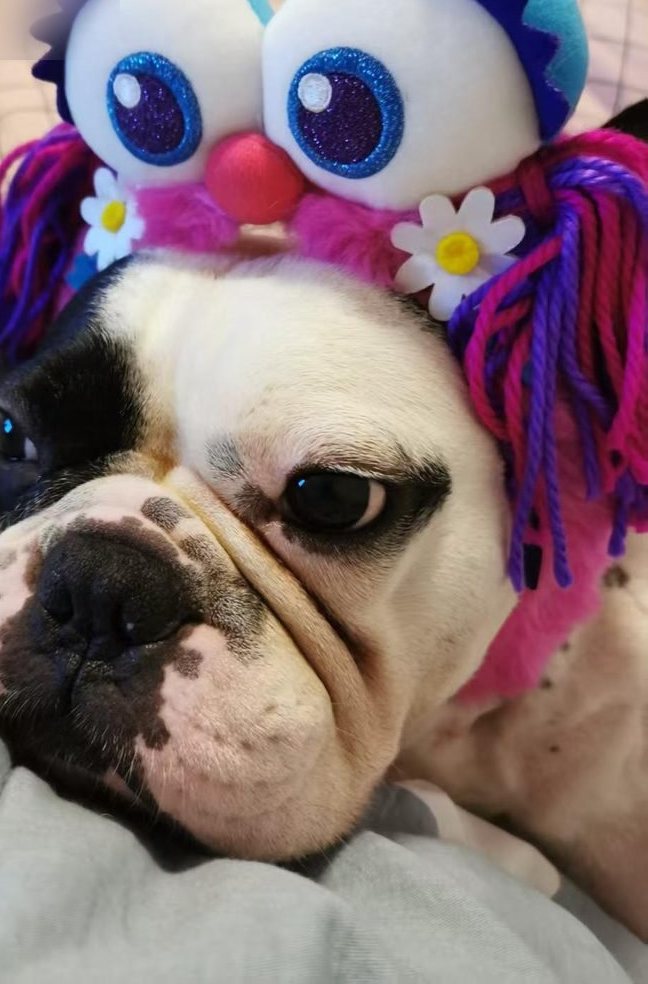
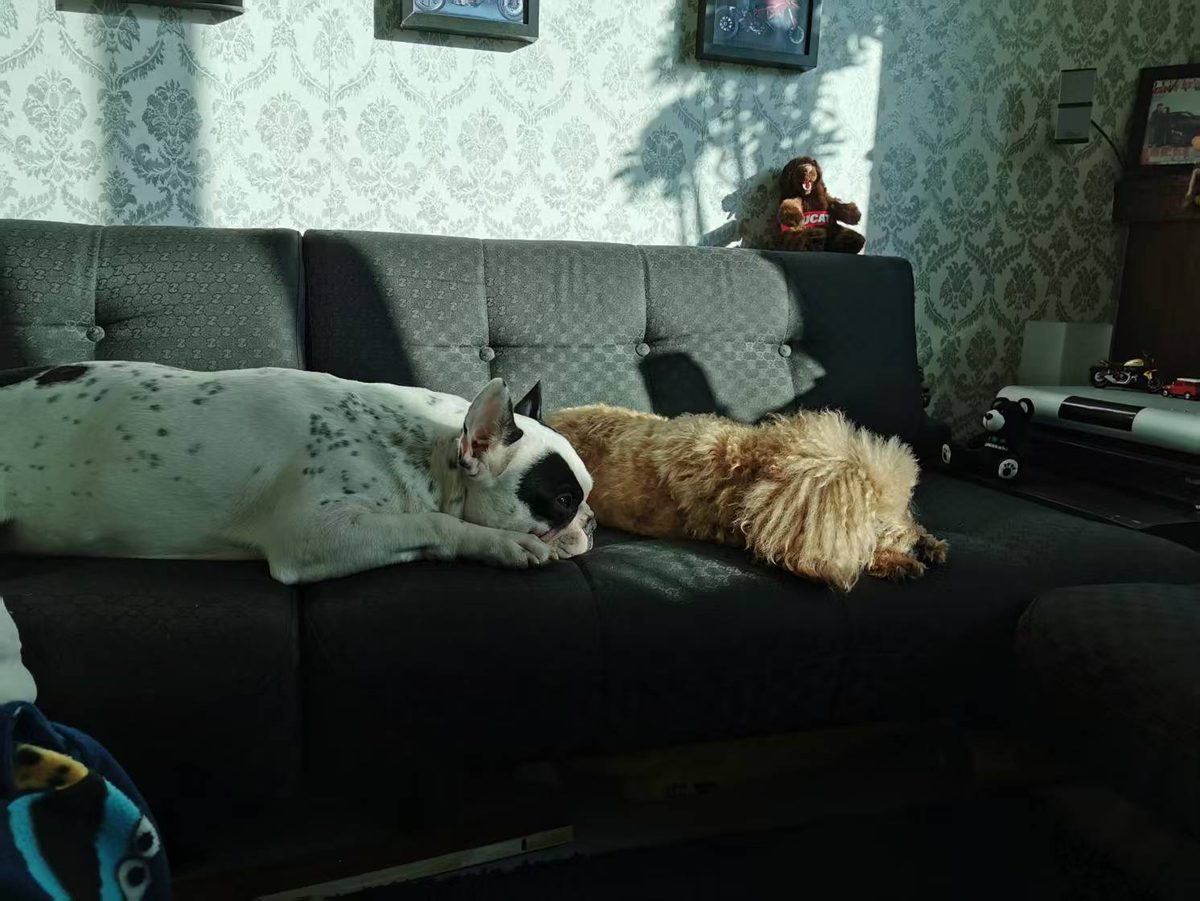
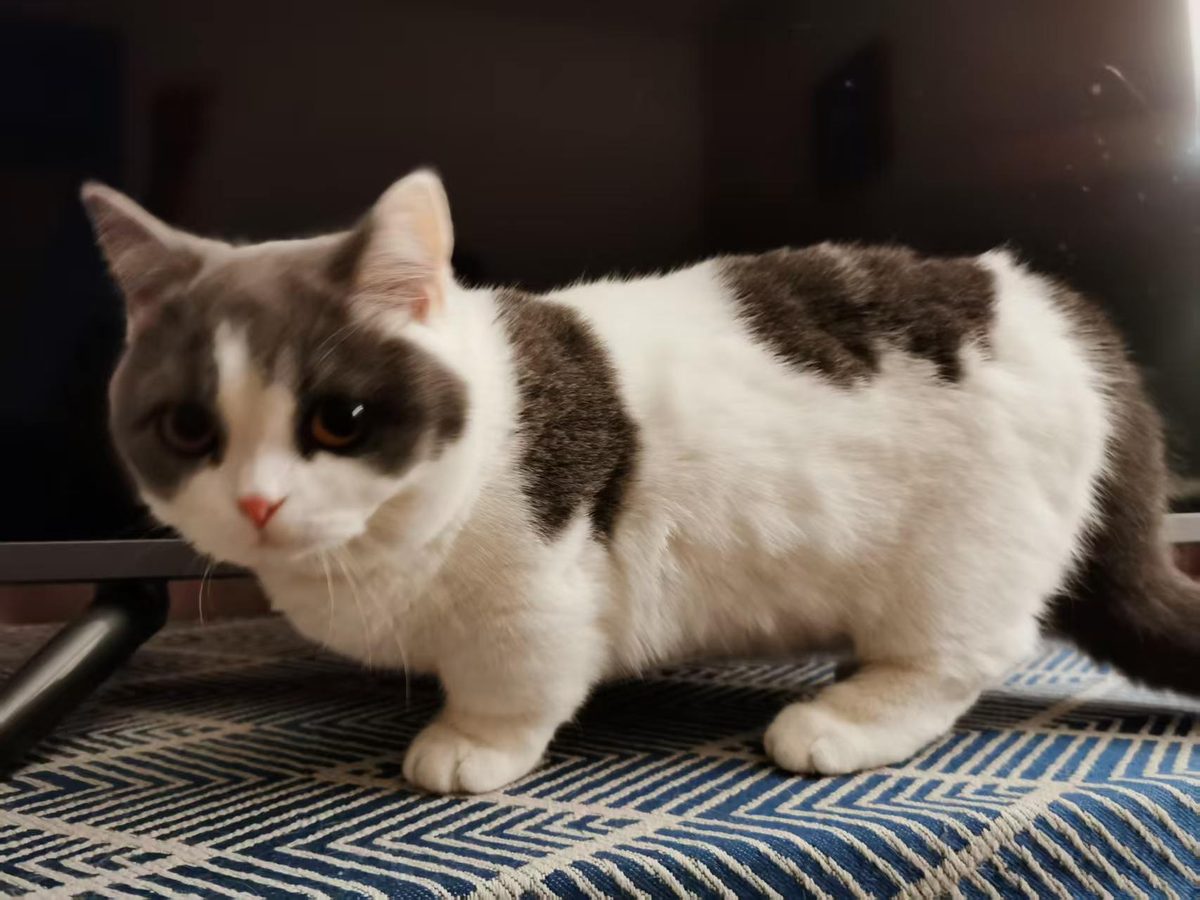
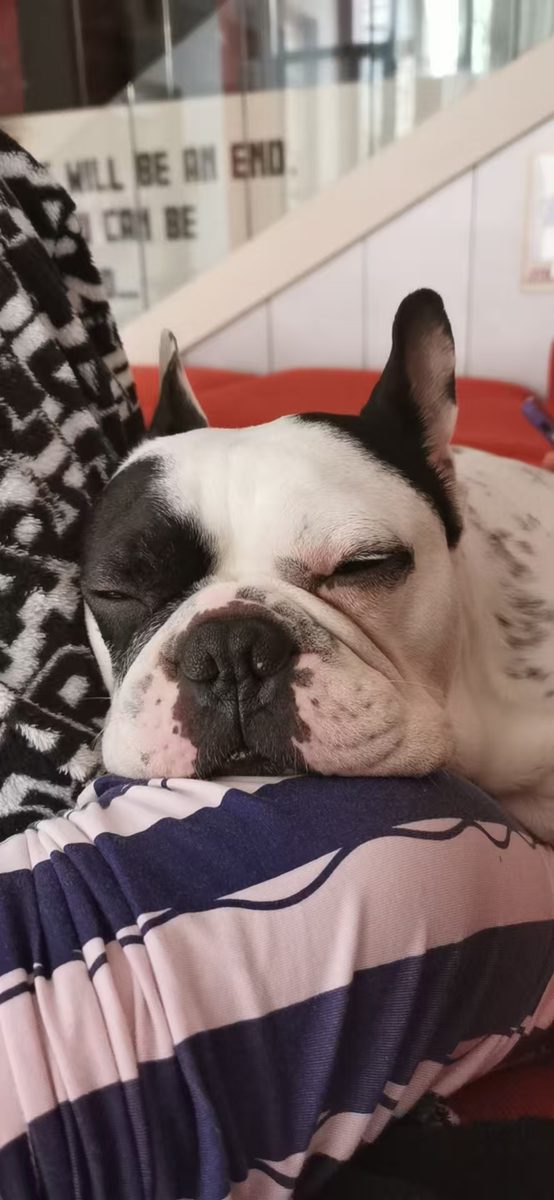
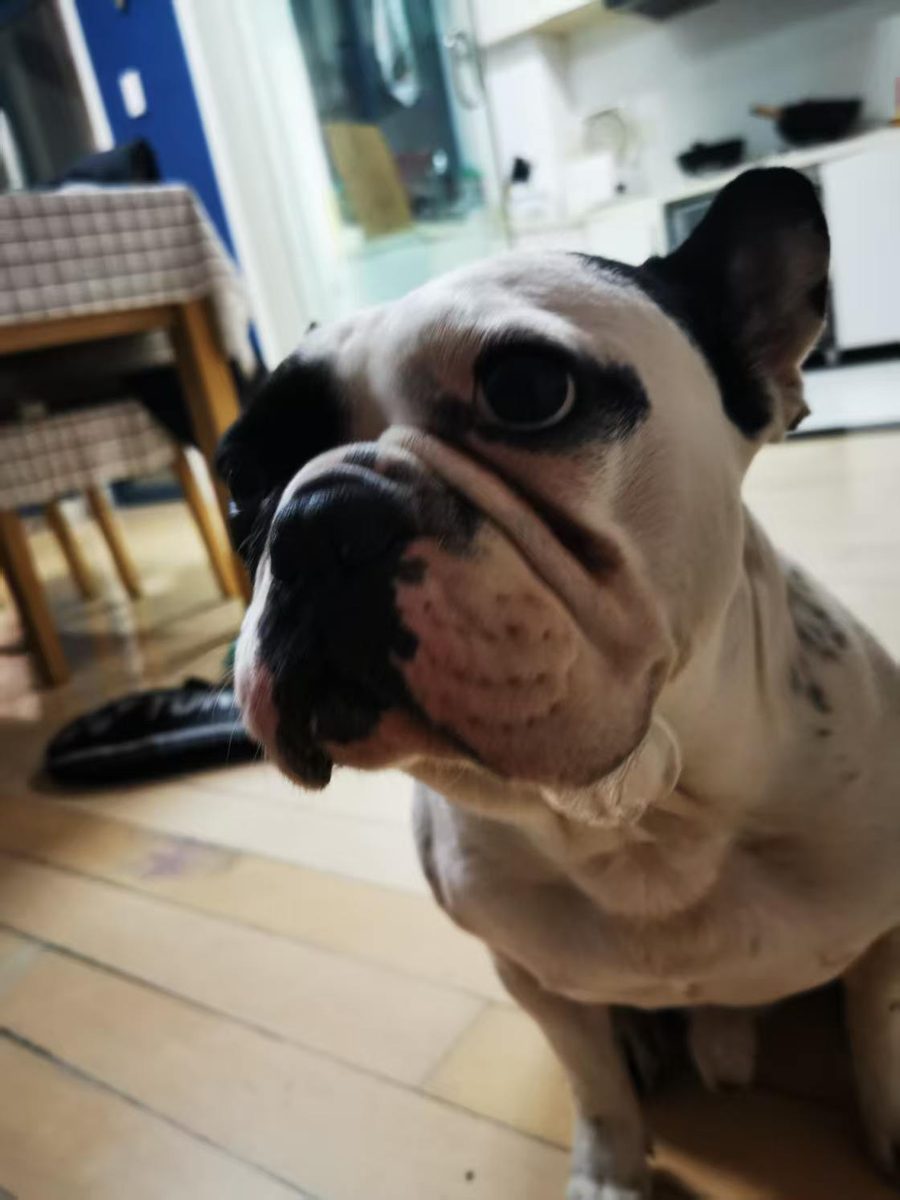
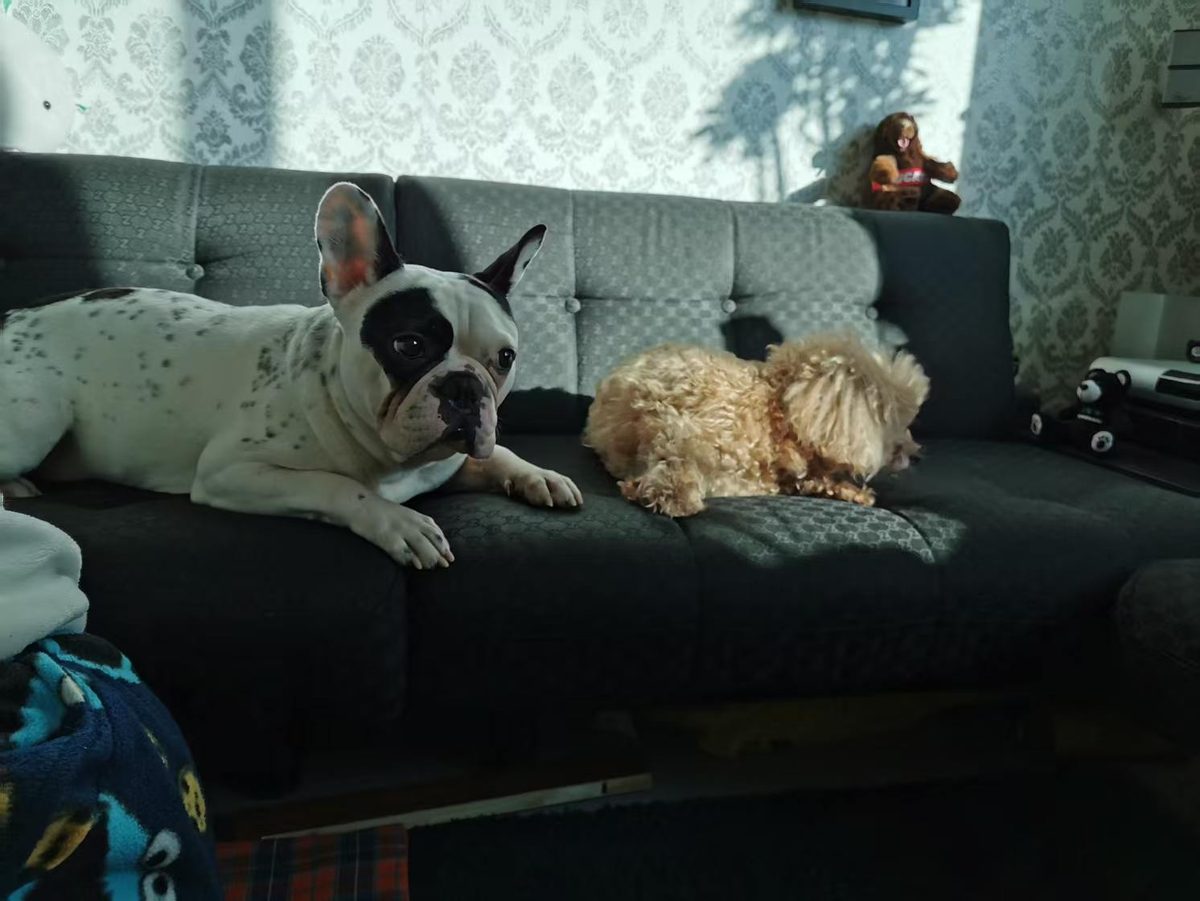
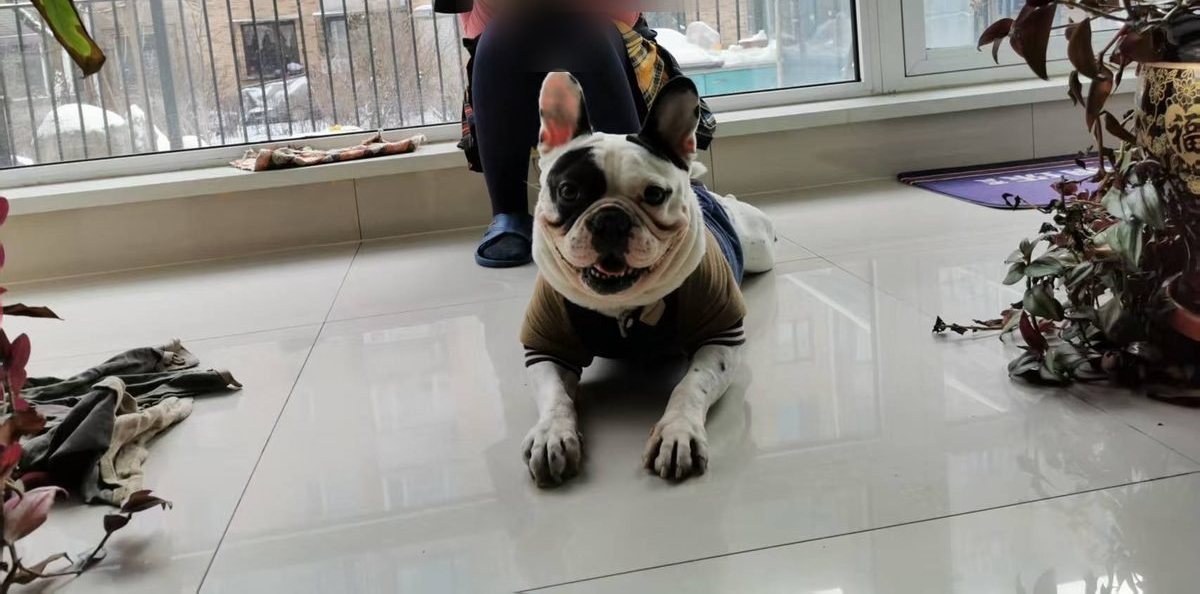
Every stone we grow starts with something a family was about to lose — a handful of fur, clipped and kept while it still could be. These are the faces of that work.
What actually arrives
This is one finished order, photographed on the day it came. A graded lab-grown stone in a silver setting, its certificate, and the fur sample that started it — still in its little tube, labelled by hand.
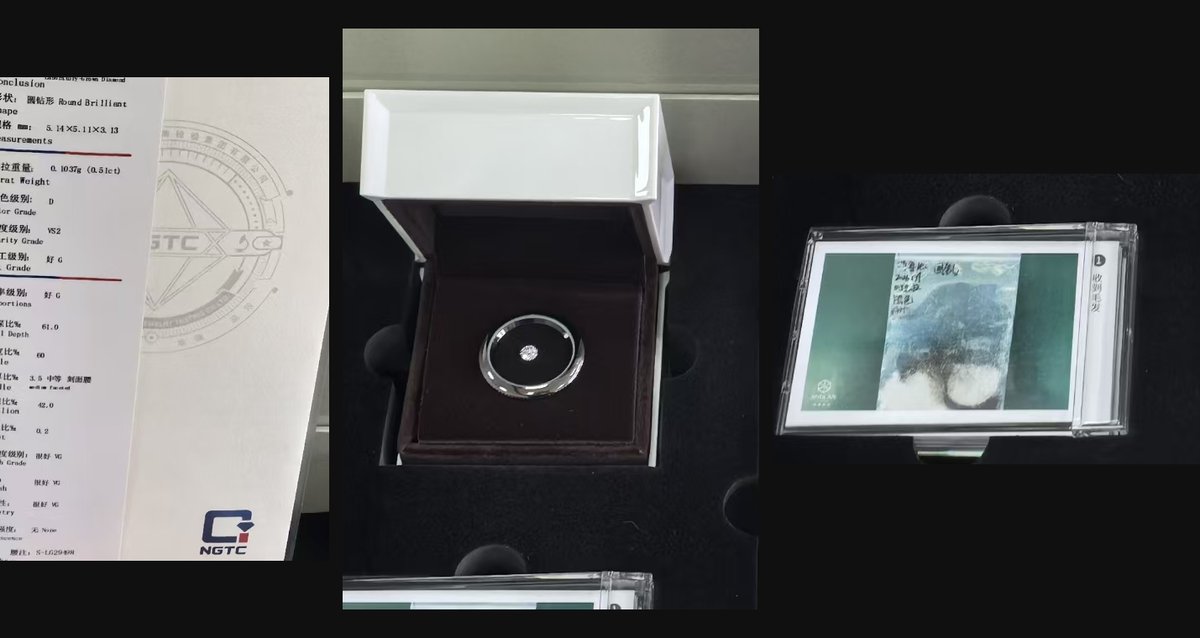
The whole handover, in one box
The certificate is the part people keep. It states the carat weight, colour, clarity and cut, and it names the certification body independently — not us.
The vial is the part people are surprised by. It is the actual material the diamond was grown from, kept and returned unused. Seeing it makes the whole thing feel less abstract.
0.5 carat · colour D · clarity VS2 · cut Excellent · polished and symmetry graded Excellent · independently certified · lab-grown, man-made — not mined.
Why we work from fur and not from ashes
Most memorial diamonds are made from cremated remains. We do it differently, and the reason is practical rather than sentimental.
Collected before the cremation
Fur has to be clipped while the animal is still here. A cremation returns ashes — but in a communal cremation it does not even return those. Clipping first means the material is never lost.
Enough from a small pet
A gram or two of fur is enough for half a carat. Ashes need roughly fifty times the weight for the same carbon, which is why a small cat may not have enough at all.
It can be shared
Fur from more than one pet — or a pet's fur with a family member's hair — can be combined into a single stone. Once ashes are mixed in the furnace, they cannot be separated again.
No waiting on the paperwork
Because the sample is collected first, there is no second wait for an urn to be released and dispatched. Turnaround stays at 60 days from the moment the fur is in the lab.
What a memorial diamond is, and is not
It is a real diamond — chemically, physically and optically the same as a mined one, hard enough to wear every day for the rest of your life. It is grown in a laboratory, and we say so plainly on every page and every certificate.
It is a keepsake. It is not a resurrection, and we will not describe it as one. What it does is hold a piece of carbon that a loved one actually produced — in a form you can keep, wear, and pass on.
Photographs on this page are shared with permission from the families involved, and are used as examples of the pets and the finished pieces — not as customer testimonials. We do not publish ratings or reviews we have not been given.
Keep a lock of fur while you still can
The only hard deadline in this whole process is the one that cannot be moved: the fur has to be clipped before the cremation. Everything after that can be decided slowly, or not at all.